2026
Downsizing the SynCardia Total Artificial Heart
Final-year honours project, Mechatronics Engineering, University of Auckland
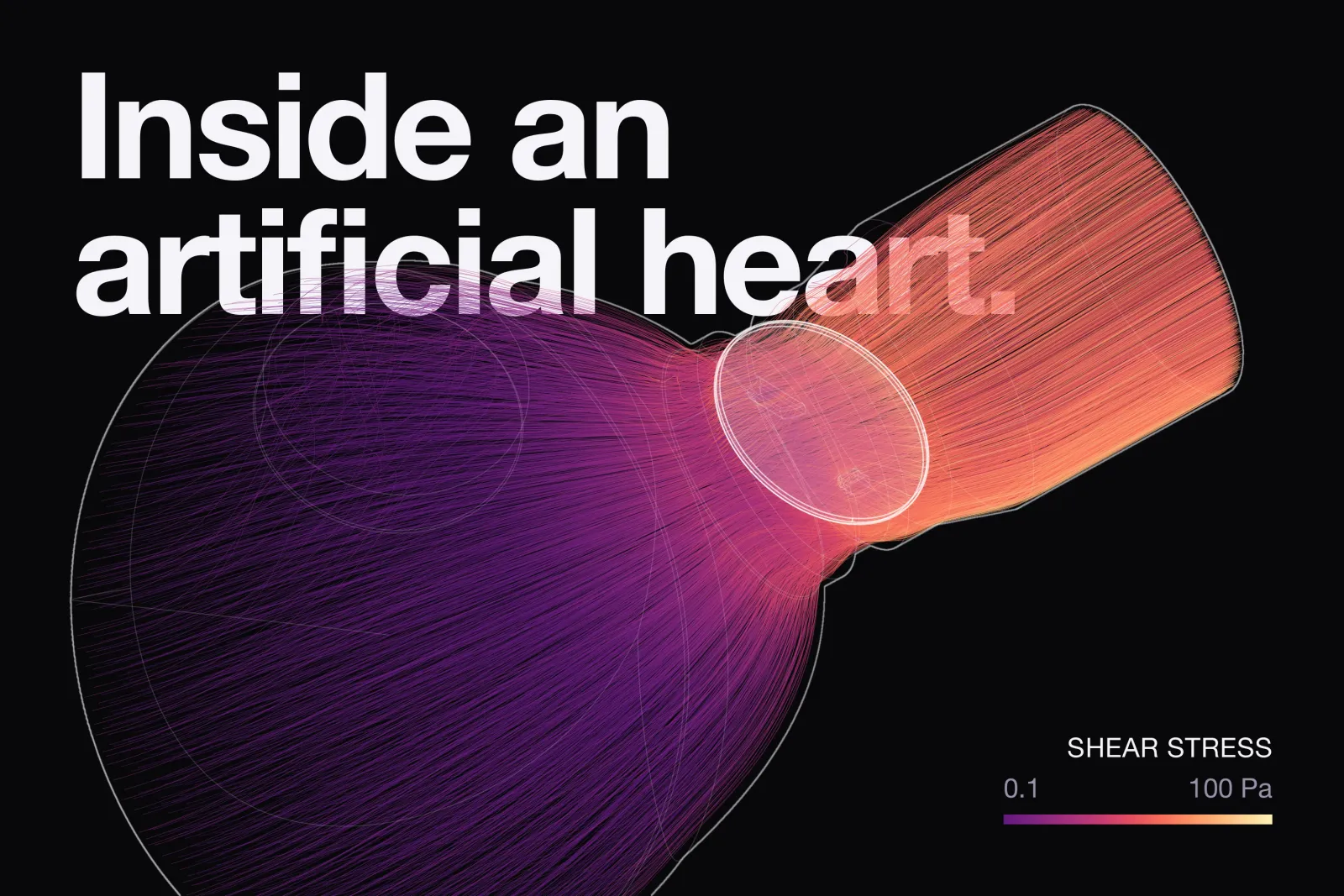
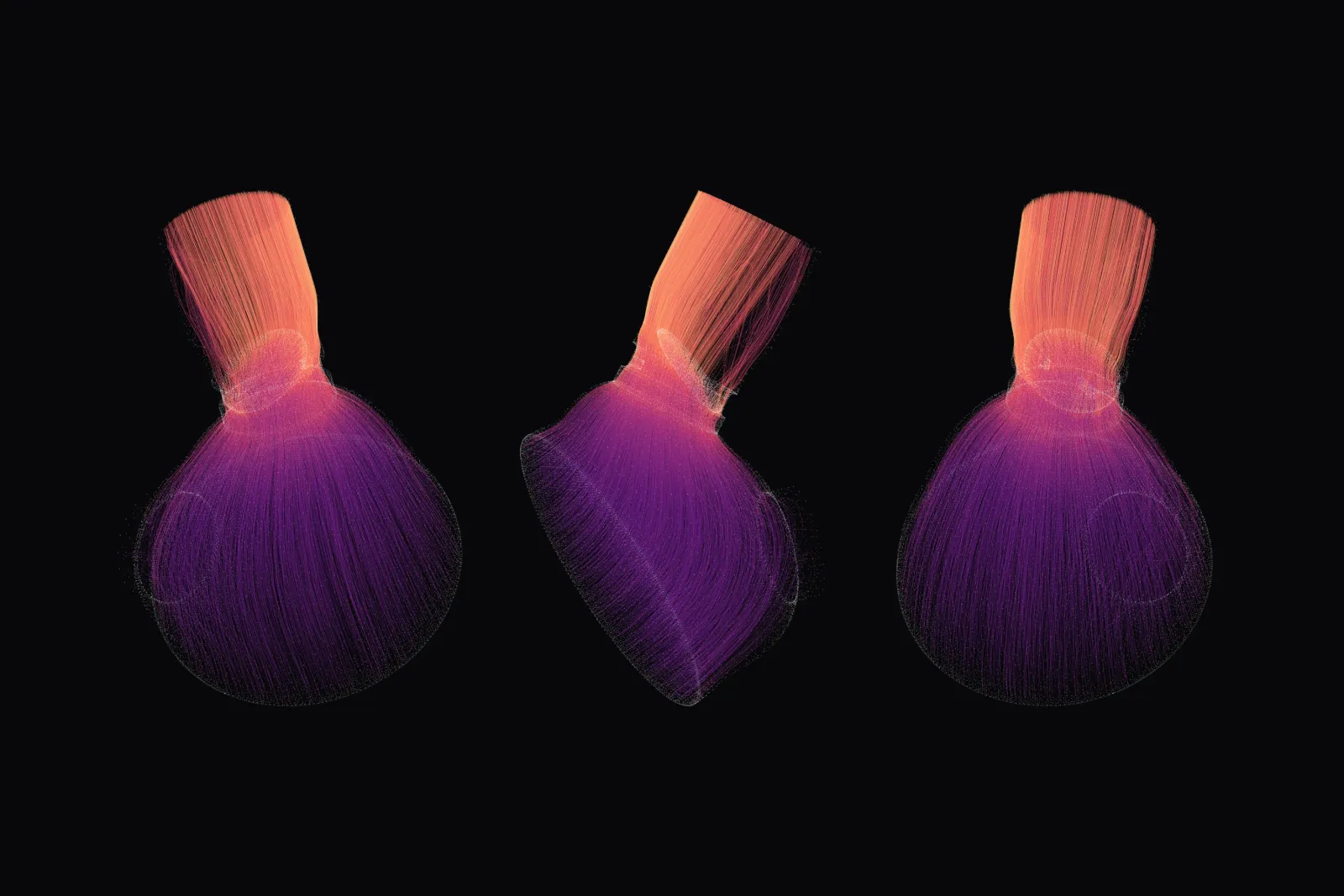
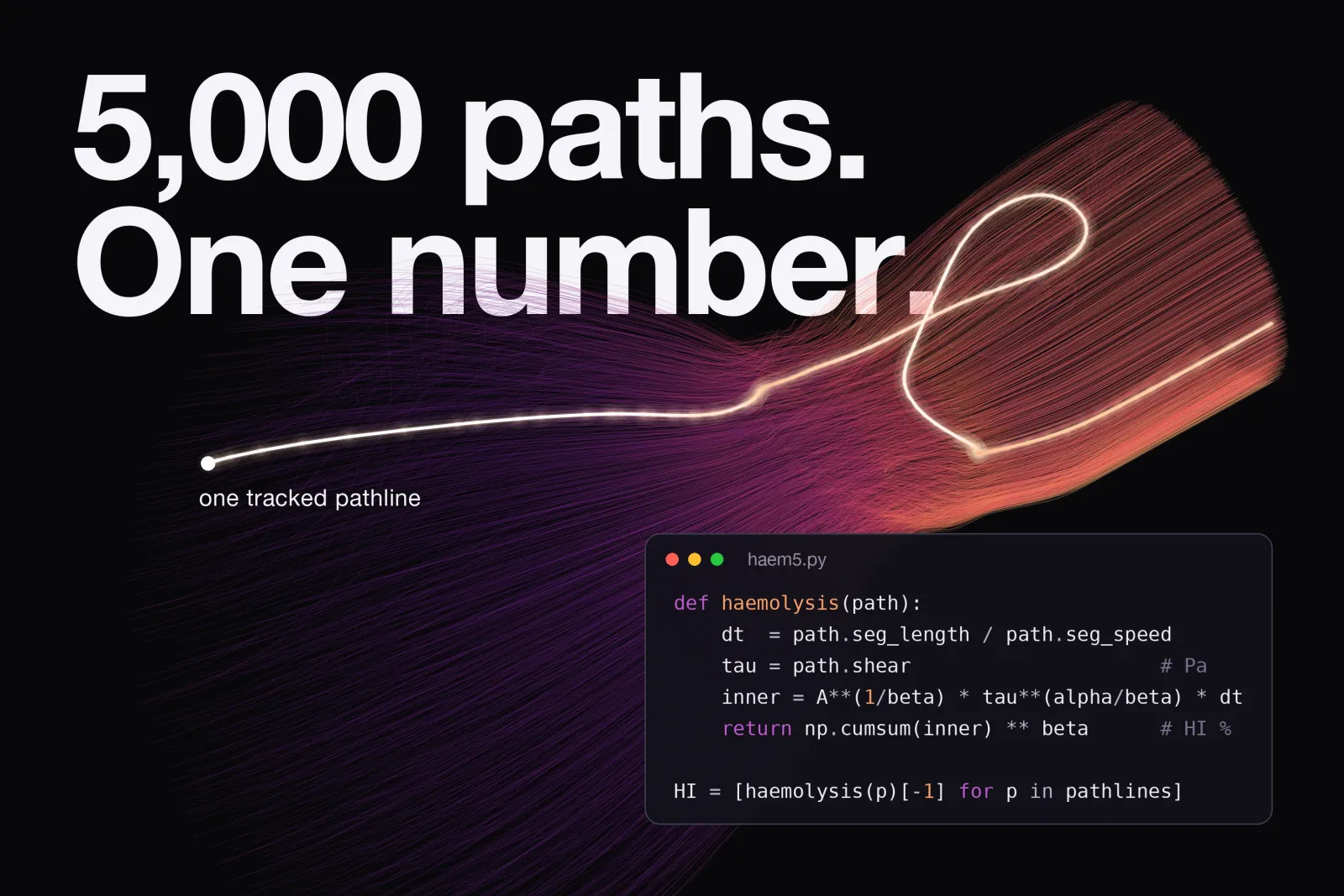
Could a smaller artificial heart fit children and smaller adults without doing more damage to blood? I modelled the 50 cc SynCardia ventricle and a 35 cc version scaled down from it. I simulated five stages of systole in ANSYS CFX, then wrote a Python pipeline that follows about 5,000 blood pathlines per case and predicts red blood cell damage and platelet exposure along each one.
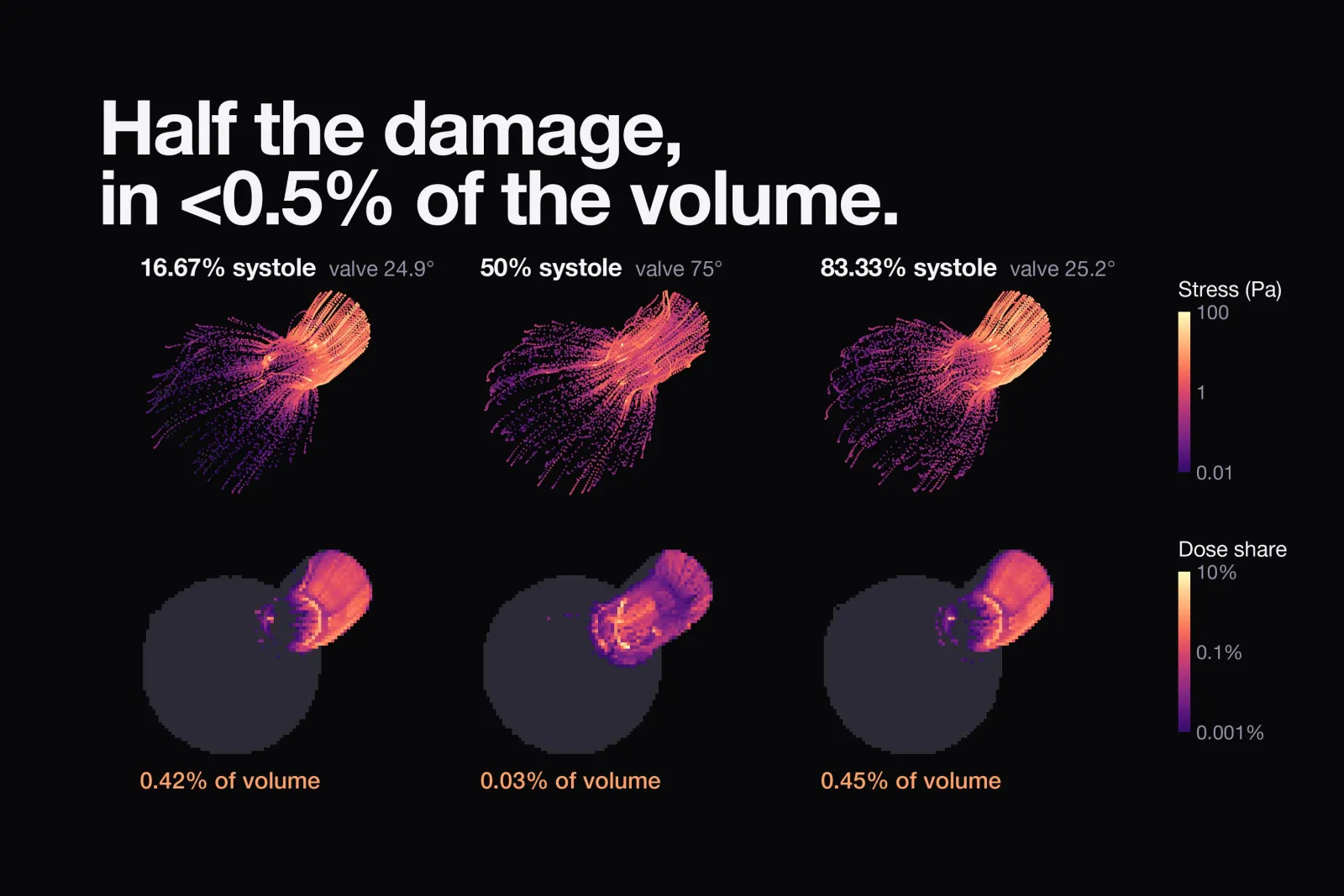
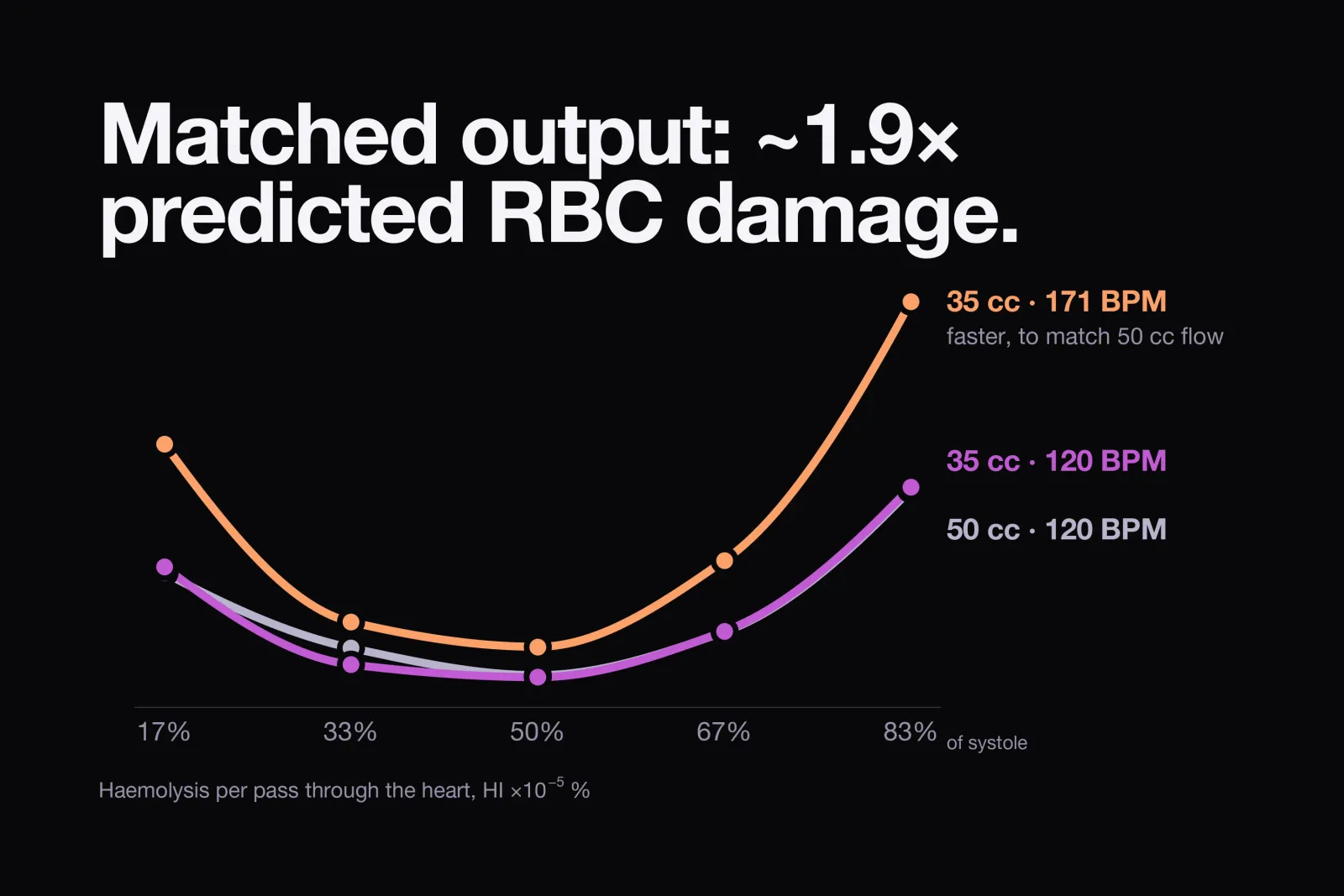
At the same heart rate, the 35 cc chamber showed no increase in predicted damage per pass. When it pumped faster to match the 50 cc’s output, predicted damage rose about 1.9×, consistent with a similarity-scaling prediction I derived before running the 35 cc cases. Half the damage happens in under 0.5% of the volume, at the outflow valve. That points future design work at the valve rather than the chamber.